Ways to Improve Heart Health: Your Guide to a Stronger Cardiovascular System
Discover effective ways to improve heart health and strengthen your cardiovascular system naturally.

Your heart is the engine of your body, working tirelessly to pump oxygen and nutrients to every cell. However, cardiovascular disease remains a leading health concern globally—and particularly in Pakistan. The good news is that your heart’s health is largely in your hands. By adopting a few consistent habits, you can significantly reduce your risk of disease and improve your quality of life.
In this guide, we will explore practical, science-backed ways to improve heart health, ranging from nutritional adjustments to stress management and the importance of regular medical oversight through eHealth services.
Daily Habits That Boost Heart Health
Small, daily actions often have the biggest impact on long-term wellness. Building a heart-healthy routine doesn't require an overnight lifestyle overhaul; it starts with awareness.
- Prioritize Sleep: Aim for 7–9 hours of quality sleep. Sleep deprivation is linked to higher blood pressure and increased inflammation.
- Quit Smoking: Smoking is one of the top controllable risk factors for heart disease. Even secondhand smoke can damage your arteries.
- Stay Hydrated: Drinking enough water helps your heart pump blood more easily through the vessels to the muscles.
- Maintain a Healthy Weight: Carrying excess weight, especially around the midsection, puts extra strain on your heart.

Nutrition and Diet Tips for a Healthy Heart
What you put on your plate directly affects your cholesterol, blood pressure, and blood sugar levels. A heart-healthy diet is rich in whole foods and low in processed additives.
1. Watch Your Salt and Sugar Intake
The World Health Organization (WHO) recommends limiting sodium intake to less than 2,000 mg per day (about one teaspoon of salt). High salt intake is a primary driver of hypertension. Similarly, excess sugar leads to weight gain and inflammation, both of which stress the cardiovascular system.
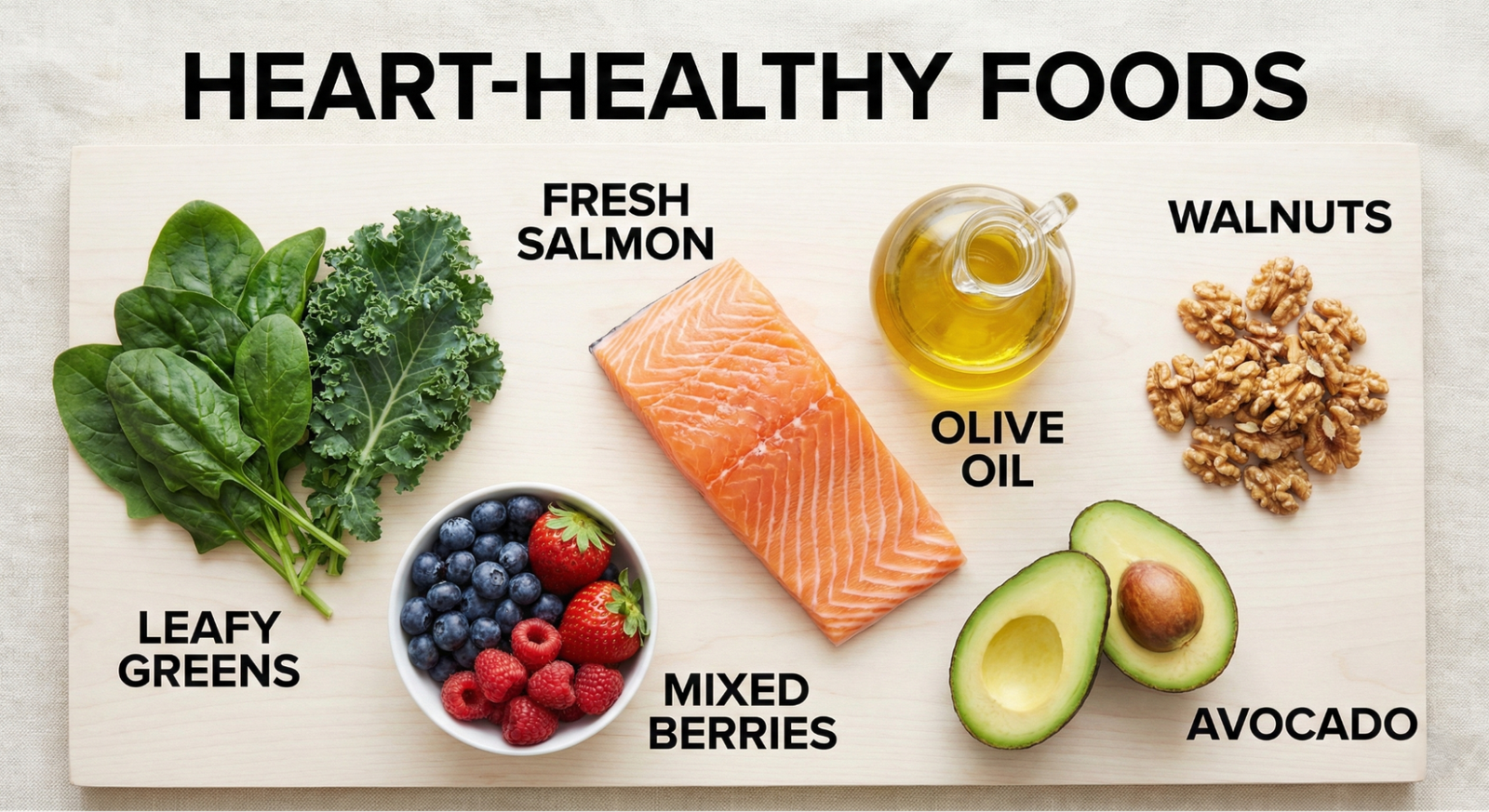
2. Embrace Heart-Healthy Fats
Replace saturated fats (found in butter and fatty meats) with unsaturated fats.
- Omega-3 Fatty Acids: Found in fish like salmon or mackerel, walnuts, and flaxseeds.
- Monounsaturated Fats: Olive oil and avocados are excellent choices.
3. Increase Fiber Intake
Fiber acts like a sponge, soaking up "bad" LDL cholesterol and clearing it from your system. Aim for at least 25–30 grams of fiber daily from vegetables, fruits, and whole grains like oats and brown rice.
Exercise and Physical Activity for Heart Wellness
Physical activity is essentially "strength training" for your heart muscle. Regular exercise makes the heart more efficient at pumping blood.
Understanding Your Heart Rate Zones
To maximize benefits, aim for at least 150 minutes of moderate-intensity aerobic activity per week. You can track your intensity using heart rate zones:
- Moderate Intensity (Zone 2-3): 50% to 70% of your maximum heart rate. (Calculation: 220 minus your age = Max HR).
- Vigorous Intensity (Zone 4): 70% to 85% of your maximum heart rate.
Practical Tips for Staying Active
- Start Small: If you have high blood pressure or haven't exercised in a while, start with a 30-minute brisk walk daily.
- Take the Stairs: Small bursts of activity throughout the day add up.
- Strength Training: Incorporate resistance exercises twice a week to improve overall metabolic health.

Stress Management and Heart Health
Chronic stress can cause the body to remain in a "fight or flight" state, raising cortisol and blood pressure. Over time, this damages the lining of the arteries.
- Practice Mindfulness: Just 10 minutes of meditation or deep breathing can lower your heart rate.
- Social Connection: Spending time with loved ones and maintaining strong social ties is scientifically proven to lower the risk of heart attacks.
- Hobbies: Engaging in activities you enjoy—whether it's gardening, reading, or painting—helps regulate your nervous system.

Regular Health Checkups and eHealth Services
Proactive monitoring is the best way to catch cardiovascular issues before they become emergencies. Knowing your "numbers"—blood pressure, cholesterol, and blood sugar—is essential.
In Pakistan, accessing quality healthcare is now more convenient than ever. Whether you need a routine checkup or a specialist's advice on ways to improve heart health, eHealth provides seamless digital solutions.
- Book an Online Consultation: If you are feeling unusual fatigue or chest tightness, you can learn how to book an online doctor consultation through eHealth services and speak with a specialist from your home.
- In-Home Care: For elderly patients or those with mobility issues, our guide on how to book an in-home doctor online in Pakistan offers a step-by-step solution for personalized home visits.
- Lab Tests at Your Doorstep: Regular lipid profiles and blood sugar tests are vital. Discover what online services provide lab test bookings and home sample collection to avoid the hassle of visiting a clinic.
Conclusion: Take the First Step Today
Improving your heart health is a journey, not a destination. By focusing on balanced nutrition, regular movement, and stress reduction, you are making a lifelong investment in your well-being. Remember, early detection is key.
Don't wait for symptoms to appear. Use the tools available at eHealth Pakistan to stay ahead of your health. Whether it's a quick video call with a cardiologist or a home lab test, taking action today ensures a healthier, stronger heart for tomorrow.
Summary of Key Takeaways:
- Keep salt intake below 5g (one teaspoon) daily.
- Aim for 30 minutes of brisk walking most days of the week.
- Monitor your blood pressure and cholesterol levels regularly.
- Leverage digital health services for convenient, expert medical advice.
@All images in this blog are sourced from Wallpezia