Doctor Home Visits vs Telemedicine in Pakistan: Which One Should You Choose?
Compare doctor home visits and telemedicine in Pakistan to choose the best healthcare option.
Introduction
Accessing quality healthcare in Pakistan often comes with significant challenges. Whether you are stuck in gridlock traffic in Lahore or Karachi, living in a rural area with distant clinics, or caring for an elderly parent who cannot move easily, a trip to the hospital is not always feasible.
When you or a loved one falls ill, you face a common dilemma: should you book a doctor for a home visit, or is a digital consultation enough? Both options offer relief from hospital waiting rooms, but they serve different needs. This guide helps you decide which option—doctor home visits or telemedicine—is right for your specific situation.
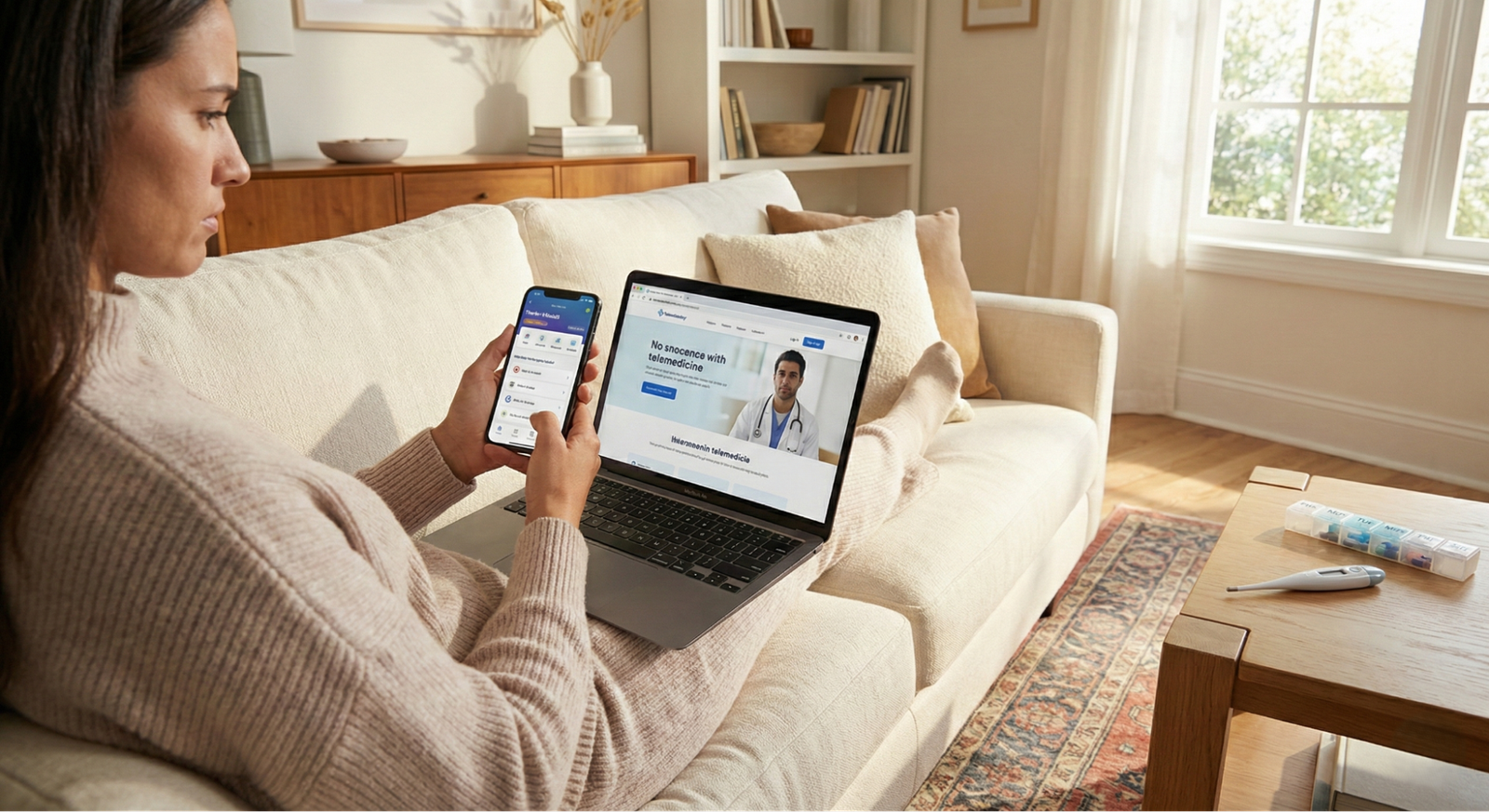
What Are Doctor Home Visits?
Doctor home visits bring the clinic to your doorstep. A qualified general physician or specialist visits your home to provide a consultation, check vitals, and prescribe treatment. This traditional method has made a strong comeback in Pakistan through modern healthcare apps.
Typical Scenarios for Home Visits
- Elderly Care: Ideal for seniors with mobility issues or joint pain who find travel difficult.
- Post-Surgery Recovery: Essential for patients needing wound dressing or monitoring after being discharged from the hospital.
- Chronic Illness Monitoring: Great for diabetic or bedridden patients requiring regular checkups.
- Pediatric Care: Keeps children away from hospital germs and waiting room infections.
Practical Tips for Home Visits in Pakistan
- Booking: Use reliable healthcare apps, phone services, or verified service websites.
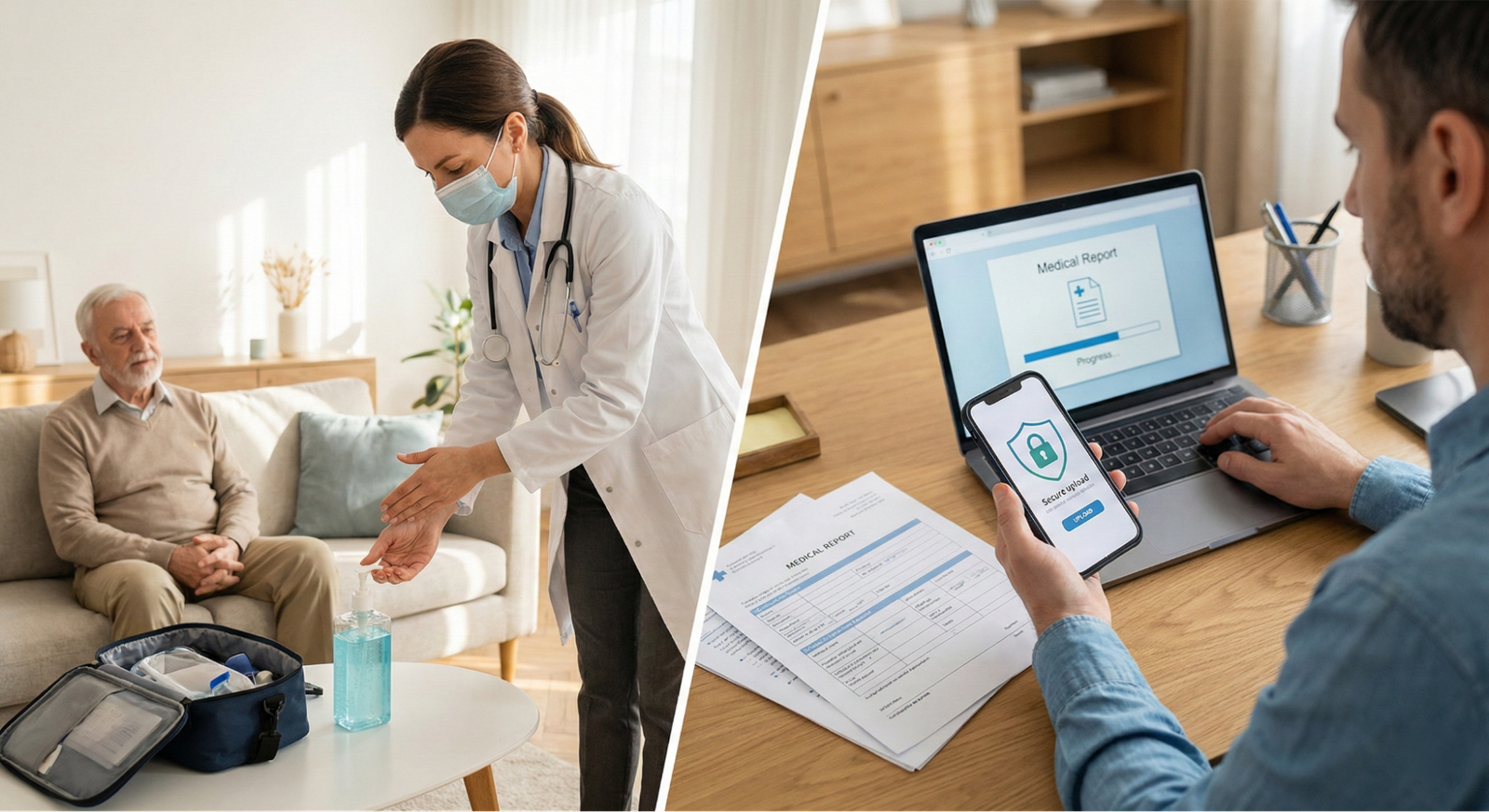
- Safety Protocols: Always verify the doctor’s PMDC (Pakistan Medical & Dental Council) ID card upon arrival. Ensure they follow hygiene protocols like wearing a mask and sanitizing hands.
- Cost: Expect to pay a premium compared to clinic visits. Prices vary based on the city (e.g., Islamabad vs. Multan) and the specialist's experience.
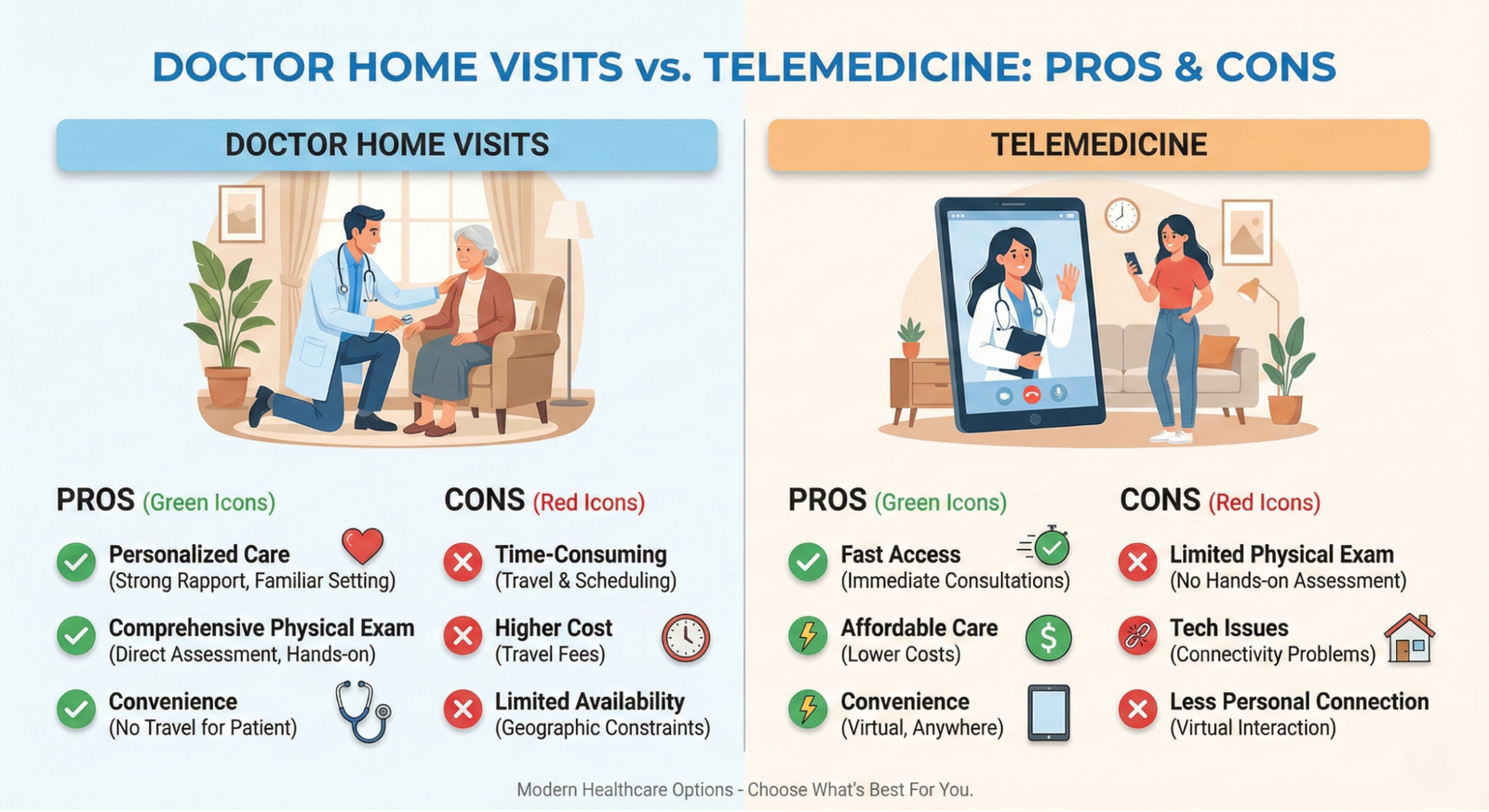
Pros and Cons
- Pros:
- Personalized, one-on-one attention.
- Allows for a comprehensive physical examination.
- High convenience for immobile patients.
- Cons:
- Higher cost due to travel time and convenience fees.
- Limited availability during late-night hours.
- Heavy equipment (like X-ray machines) cannot be brought home.

What Is Telemedicine?
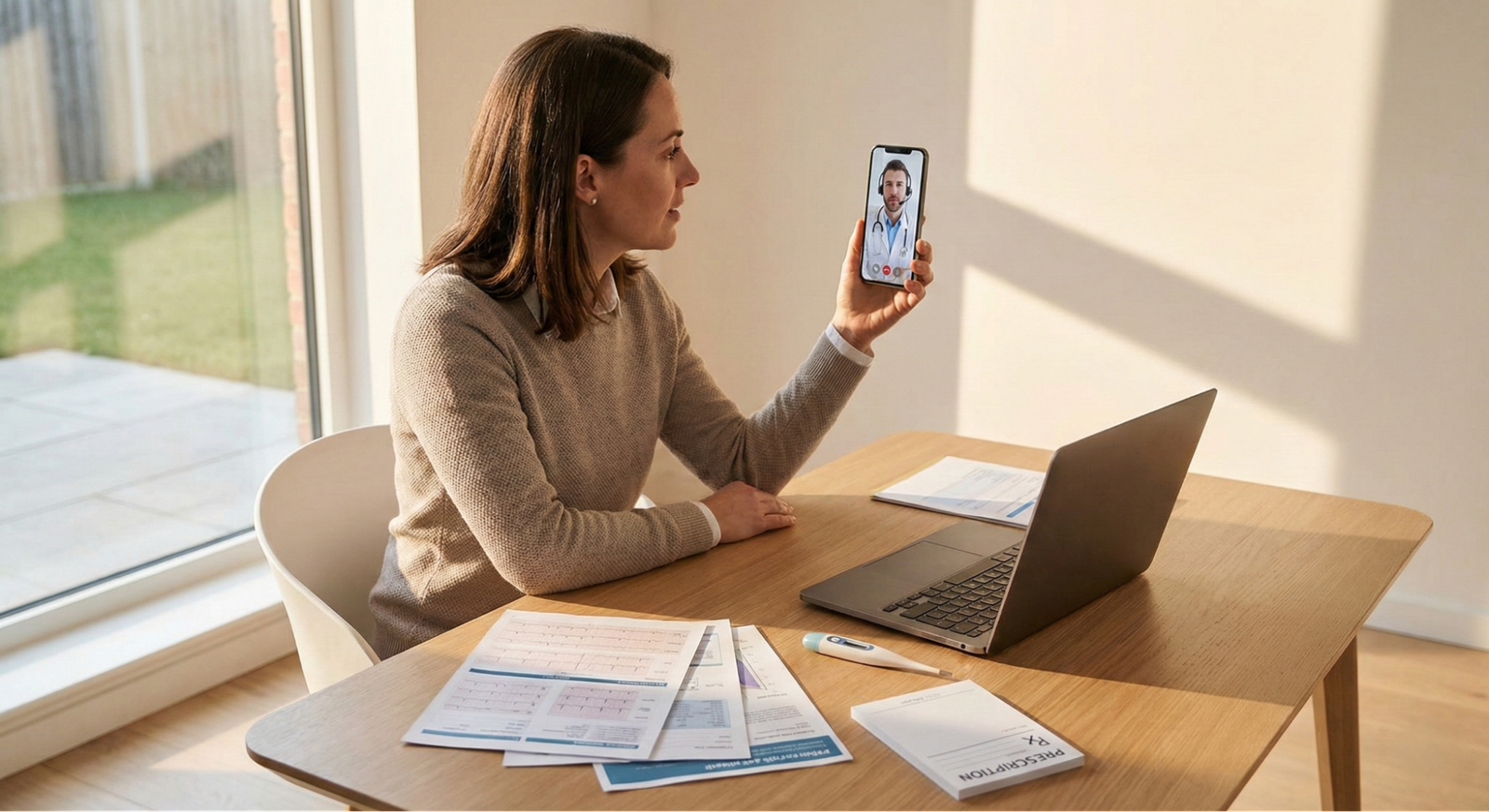
Telemedicine is the practice of consulting a doctor remotely via phone or video call. It has revolutionized healthcare services in Pakistan, connecting patients in remote villages or busy cities with top specialists instantly.
Suitable Scenarios
- Minor Illnesses: Effective for treating seasonal flu, allergies, colds, or skin rashes.
- Follow-ups: Perfect for reviewing lab reports or adjusting medication dosages.
- Mental Health: Offers privacy and comfort for counseling or therapy sessions.
- Second Opinions: Allows you to consult a specialist in another city without traveling.
Tips for Effective Telemedicine Usage
- Internet Connection: Ensure you have stable Wi-Fi or 4G data to avoid call drops.
- Preparation: Keep your medical history, current symptoms, and any previous prescriptions ready before the call.
- Platform Choice: Use certified platforms like eHealth and other trusted providers to ensure data privacy and doctor verification.
Pros and Cons
- Pros:
- Very affordable compared to in-person visits.
- Fast access to specialists anywhere in the country.
- Zero travel time and costs.
- Cons:
- The doctor cannot perform a physical exam (palpation, listening to lungs directly).
- Dependent on technology and internet speed.
- Privacy concerns if using unsecure apps.
Key Differences Between Home Visits and Telemedicine
To make an informed decision, compare the two options below:
Feature | Doctor Home Visits | Telemedicine |
Cost | High (Consultation + Travel fee) | Low to Medium |
Accessibility | Limited by location and traffic conditions | Available anywhere with internet access |
Convenience | High (Doctor comes to you) | Very High (Instant access) |
Physical Exam | Comprehensive (Vitals, palpation) | Visual/Verbal only |
Follow-Up Ease | Moderate | Fast and efficient |
Best For | Elderly, bedridden, serious checkups | Minor issues, quick follow-ups, mental health |
Practical Examples
- Scenario A: An 80-year-old patient with arthritis needs a chest checkup. Choice: Doctor Home Visit (Physical exam required).
- Scenario B: A young professional has a minor fever and needs a sick leave certificate. Choice: Telemedicine (Quick, efficient, no travel).
How to Decide Which Option Is Right for You
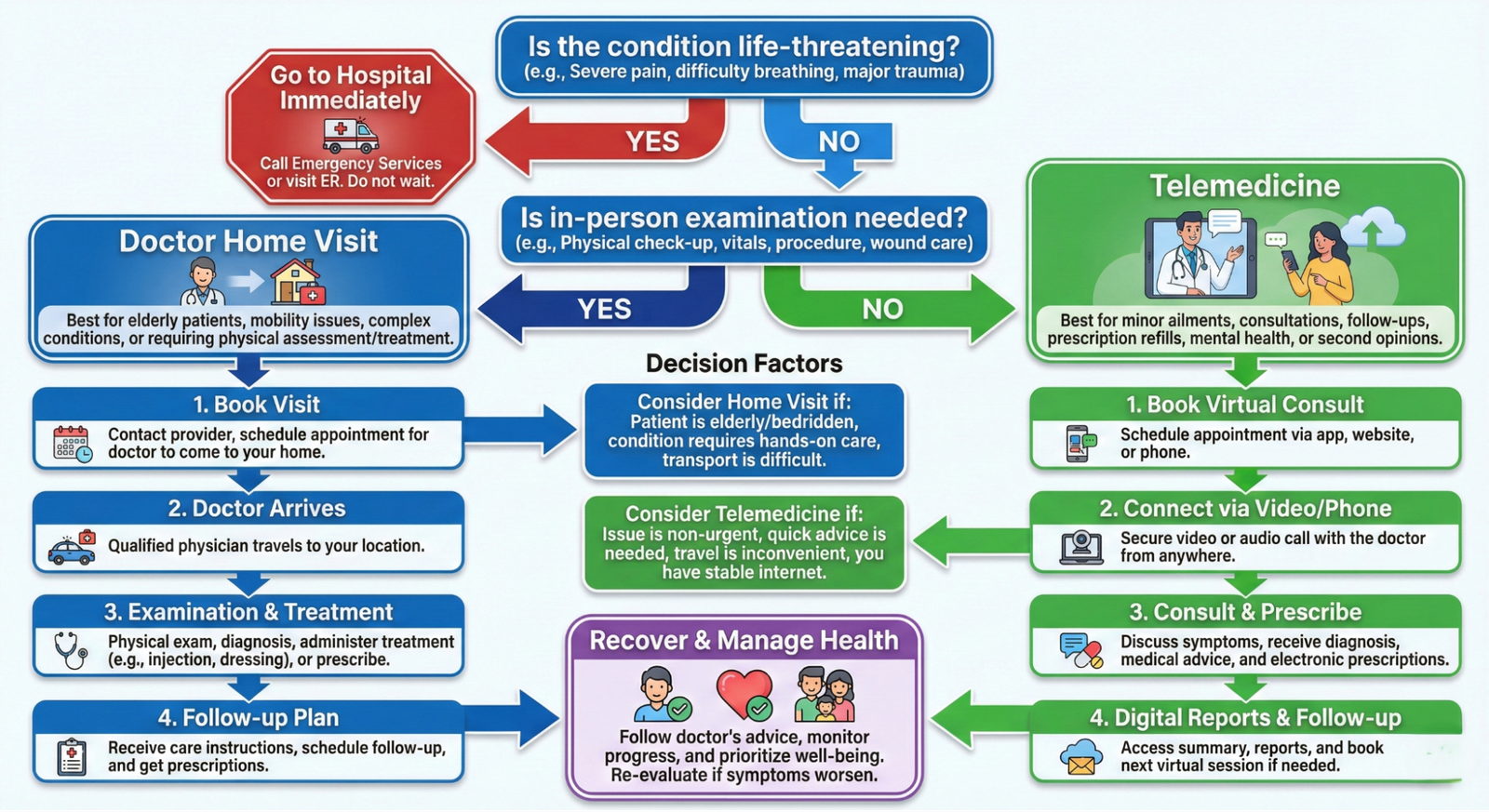
Follow this step-by-step guide when booking an online doctor appointment or home service:
- Assess Severity: Is it life-threatening (chest pain, severe bleeding)? Go to the ER immediately. If stable, proceed to step 2.
- Evaluate Physical Needs: Does the patient need a physical exam (listening to the chest, checking a lump)? If yes, choose a Home Visit.
- Check Mobility: Can the patient move easily? If moving is painful or impossible, a Home Visit is best.
- Consider Urgency: Do you need a doctor right now? Telemedicine is the fastest route.
- Review Medical History: Is this a routine follow-up for a known condition? Telemedicine is usually sufficient.
Safety and Usability Tips
Whether you choose remote healthcare or a personal visit, safety is paramount.
For Doctor Home Visits
- Hygiene: Ensure the doctor sanitizes hands before touching the patient.
- Verification: Only book through reputable service providers who vet their doctors.
- Environment: Ensure the room is well-lit and clean for the examination.
For Telemedicine
- Data Security: Use secure platforms that protect your personal health information.
- Prescriptions: Ensure the platform provides a valid digital prescription accepted by pharmacies.
- Clarity: Use a high-quality camera so the doctor can see any physical symptoms (like rashes) clearly.
Conclusion
Both doctor home visits and telemedicine play vital roles in modern healthcare. Home visits offer the comfort and thoroughness of a physical exam without the hospital commute, making them ideal for the elderly and serious cases. Telemedicine offers speed, affordability, and accessibility, perfect for minor ailments and follow-ups.
Ultimately, the right choice depends on the patient's specific medical needs and mobility. For a seamless experience with verified professionals, consider using trusted platforms like eHealth, which prioritize patient safety and offer reliable access to both home visits and online consultations. Make the choice that saves you time and keeps your health on track.
To explore and compare the most reliable home healthcare options available in Pakistan, read our guide on What Are the Best Doctor-at-Home Services in Pakistan?
@All images in this blog are sourced from Wallpezia