What Is the Best Water to Drink for Health? A Comprehensive Guide
Discover the healthiest water options, benefits, and tips for optimal hydration and wellness.
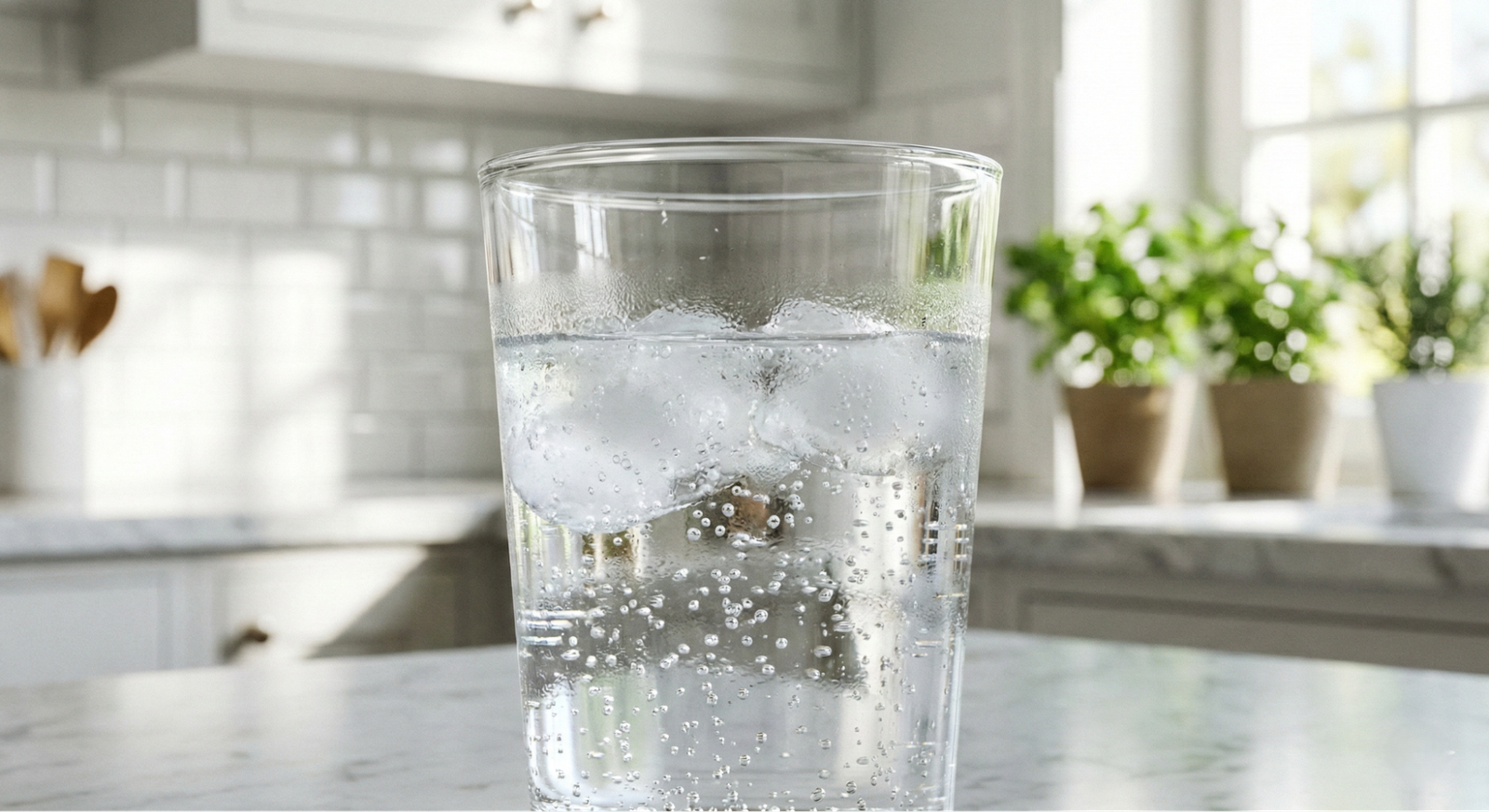
Water is the essence of life. Our bodies are composed of approximately 60% to 70% water, making it the most critical nutrient for survival. However, with so many options available today—from tap and filtered to mineral and alkaline—many people find themselves asking:What is the best water to drink for health?
Choosing the right water isn't just about quenching thirst; it’s about ensuring your body receives essential minerals while avoiding harmful contaminants. In this guide, we will explore the different types of water, their benefits, and how you can make the healthiest choice for you and your family.
Why Drinking Water is Essential for Your Health
Every cell, tissue, and organ in your body needs water to work properly. Water regulates your body temperature, lubricates joints, and flushes out waste through urination and perspiration.
Beyond basic survival, proper hydration plays a massive role in chronic disease prevention. For instance, maintaining fluid balance is one of the many Ways to Improve Heart Health: Your Guide to a Stronger Cardiovascular System, as it helps the heart pump blood more easily through the blood vessels to the muscles.
Key benefits of staying hydrated include:
- Boosted Energy Levels: Dehydration can lead to fatigue and "brain fog."
- Improved Digestion: Water helps break down food and prevents constipation.
- Clearer Skin: Proper hydration helps flush out toxins that can cause breakouts.
- Weight Management: Drinking water before meals can increase satiety and boost metabolism.
Different Types of Water and Their Benefits
Not all water is created equal. The "best" water often depends on your local environment and your specific health needs.
Tap Water vs. Filtered Water
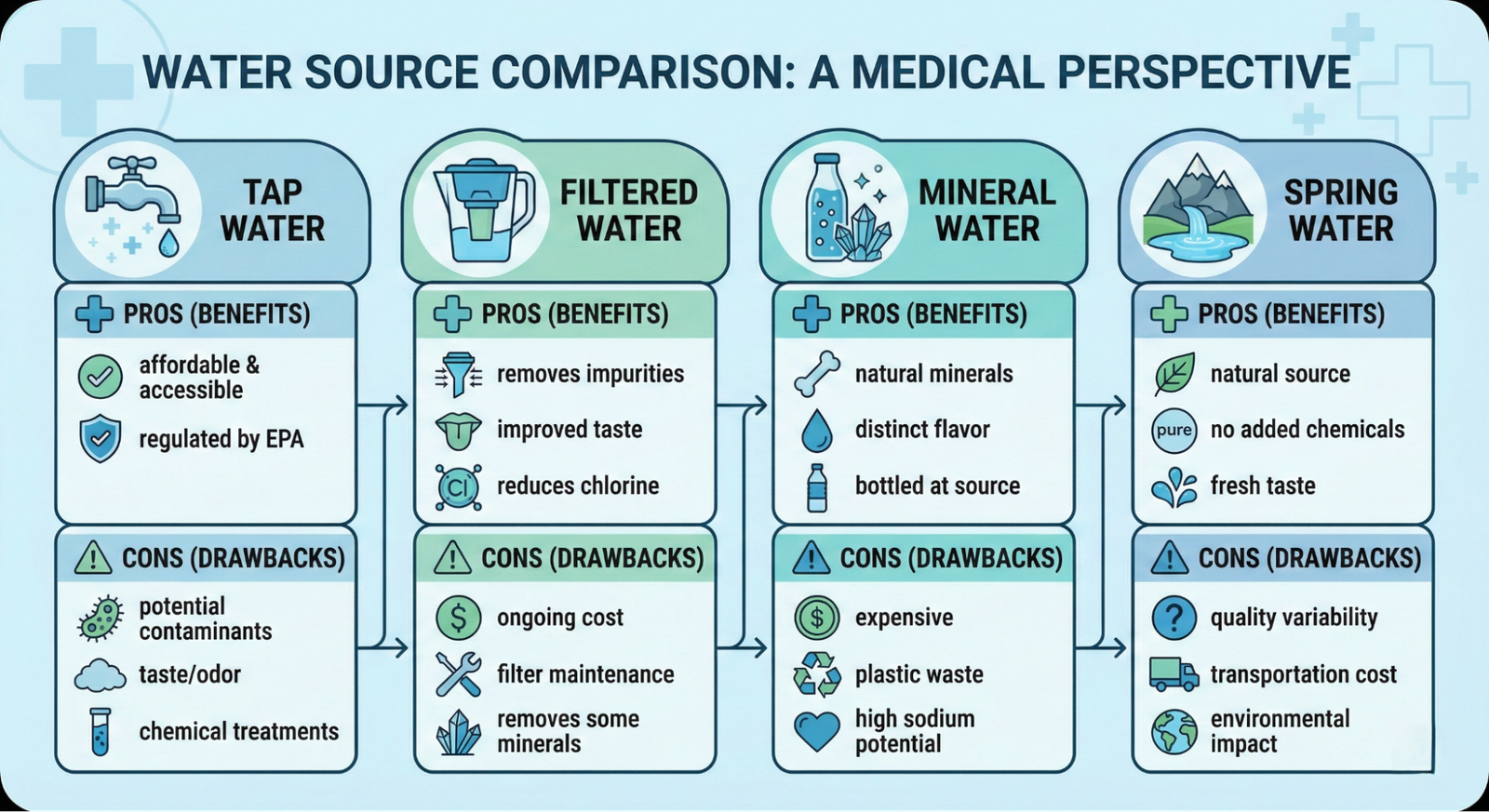
In many parts of Pakistan, tap water can be risky due to aging infrastructure and potential bacterial contamination. While boiling tap water is a traditional and effective method for killing pathogens, it does not remove heavy metals like lead or arsenic.
Filtered water is often the most practical "best water to drink for health" for most households. Modern filtration systems, such as Reverse Osmosis (RO) or Carbon Filters, remove chlorine, heavy metals, and bacteria while improving the taste.
Mineral and Spring Water: Pros and Cons
- Mineral Water: To be classNameified as mineral water, the water must contain a specific amount of minerals (like calcium, magnesium, and potassium) at the source. It is excellent for bone health and electrolyte balance.
- Spring Water: This comes from underground sources and is generally considered clean and "live."
- The Downside: Both can be expensive and often come in single-use plastic bottles, which may contain microplastics.
How Much Water Should You Drink Daily?
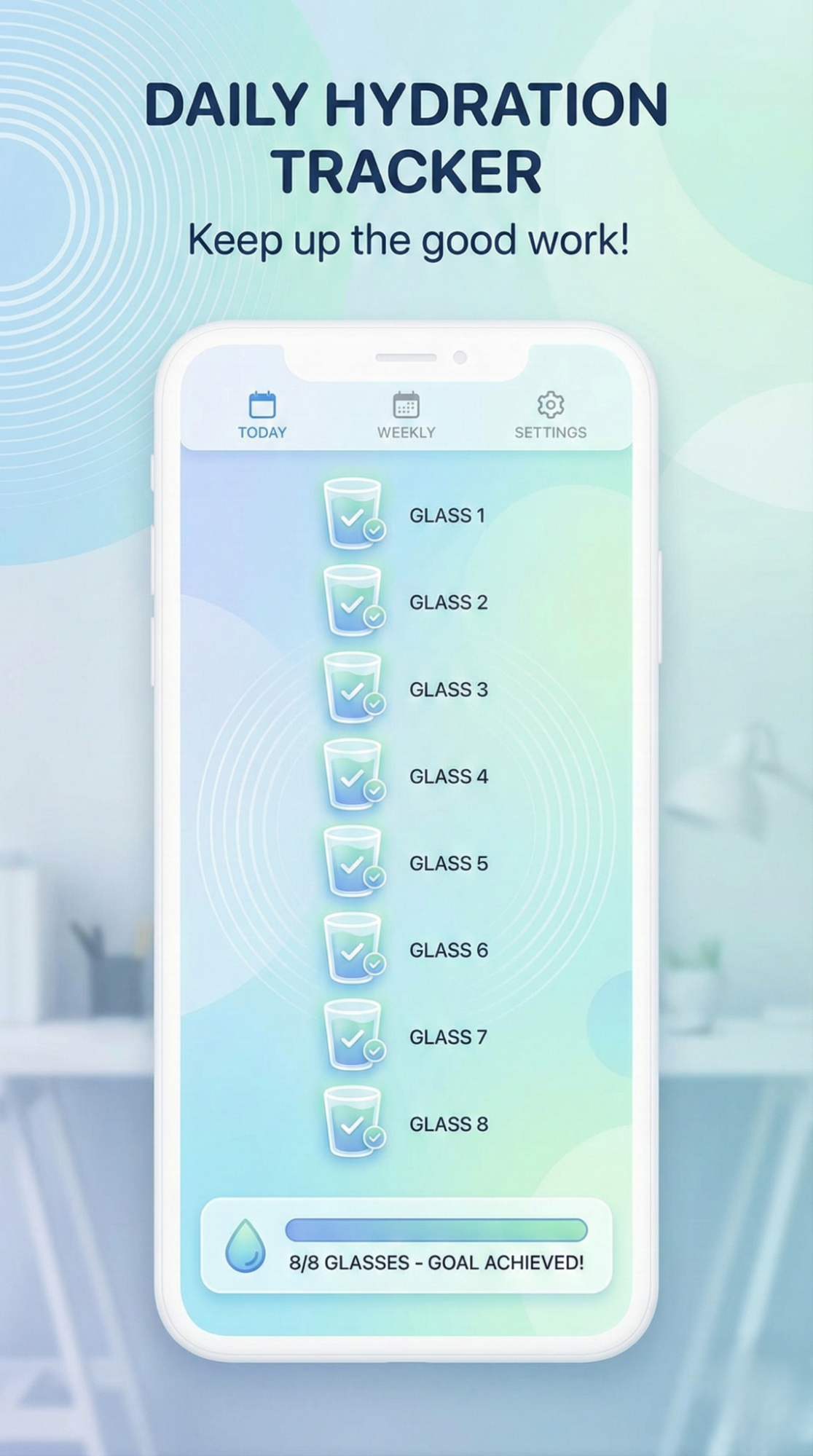
The old "8 glasses a day" rule is a good starting point, but hydration needs are individual. Factors like weight, activity level, and climate play a huge role.
If you are fasting or observing religious practices, your hydration strategy must change. For example, learning Ways to Make This Your Healthiest Ramadan involves focusing on high-quality hydration during Suhoor and Iftar to prevent dehydration during the day.
A simple rule of thumb: Look at the color of your urine. If it is pale yellow like lemonade, you are well-hydrated. If it is dark, you need to drink more water immediately.
Tips to Ensure You Drink Healthy Water Every Day
- Invest in a Quality Filter: If your tap water is questionable, a multi-stage filter is a one-time investment for long-term health.
- Use Glass or Stainless Steel: Avoid BPA in plastic bottles by using reusable glass or food-grade stainless steel containers.
- Add a Pinch of Natural Salt: If you drink highly purified (RO) water, it may lack minerals. Adding a tiny pinch of Himalayan pink salt can help with electrolyte absorption.
- Drink Before You Feel Thirsty: Thirst is a late sign of dehydration.
- Eat Your Water: Consume water-rich fruits like watermelon, cucumbers, and oranges.

Practical Scenarios: Choosing Water for Your Needs
The best water for one person might not be the best for another:
- For Athletes: Mineral water or water with added electrolytes is best to replace salts lost through sweat.
- For Children: Clean, filtered water is essential for growth. Avoid giving them "enhanced" flavored waters that contain hidden sugars.
- For People with Kidney Issues: Always consult a professional. Excessive mineral content in some spring waters might be hard on compromised kidneys.
If you are unsure about how your hydration affects your specific health conditions, you can easily find professional guidance. Knowing How Can I Book an Online Doctor Consultation in Pakistan? through platforms like eHealth allows you to speak with nutritionists and general physicians from the comfort of your home.
Technical Details: What to Look For
When choosing bottled or filtered water, look for these indicators of safety:
- TDS Levels: Total Dissolved Solids. For drinking, a TDS level between 50 and 300 is generally considered excellent.
- pH Balance: Ideally, water should be slightly alkaline or neutral (pH 7.0 to 8.5).
- Certification: Ensure your bottled water brand is approved by the Pakistan Council of Research in Water Resources (PCRWR).
Conclusion
So, what is the best water to drink for health? For most people, the answer is clean, filtered water that retains its natural minerals. While mineral water offers great benefits, a high-quality home filtration system is often the most sustainable and healthy choice for daily consumption.
Staying hydrated is the simplest way to transform your health. If you have concerns about your hydration levels, fatigue, or how your water intake affects your heart or kidneys, eHealth is here to help. You can consult with top-tier medical professionals through our platform to get personalized advice tailored to your lifestyle.
AI-Generated Image Suggestions
- Header Image: A high-resolution, realistic close-up of a clear glass of water with bubbles, set against a soft-focus background of a bright, clean kitchen. (Style: Professional, Fresh, Minimalist).
- Section 2 (Types of Water): An infographic comparison chart showing icons for Tap, Filtered, Mineral, and Spring water, listing 2-3 pros and cons for each. (Style: Clean, Vector, Medical).
- Section 3 (Hydration Tips): A lifestyle photo of a person in Pakistan carrying a stylish reusable stainless steel water bottle while walking in a park. (Style: Authentic, Vibrant, Healthy).
- Section 4 (Daily Intake): A hydration tracker illustration showing 8 glasses of water being "checked off" one by one. (Style: Modern, App-like, Intuitive).
@All images in this blog are sourced from Wallpezia