What are 5 Health Benefits of Water?
Explore five essential health benefits of drinking water for body and mind.

Water is the foundation of life. Making up approximately 60% of the human body, it is involved in nearly every bodily function, from regulating body temperature to cushioning joints. Yet, many of us overlook the importance of staying adequately hydrated until we feel thirst—which is often the first sign of dehydration.
Proper hydration is not just about quenching thirst; it is a vital component of maintaining physical and mental well-being. Whether you are looking to improve your energy levels, clear up your skin, or manage your weight, increasing your water intake is one of the simplest and most effective changes you can make.
In this article for eHealth, we will explore the 5 health benefits of water, discuss how to choose the safest water for consumption, and provide practical tips to ensure you stay hydrated every day.
Why Water is Essential for Overall Health
Before diving into the specific benefits, it is crucial to understand why our bodies crave water. Water acts as the body’s transportation system. It moves nutrients and oxygen to cells, flushes out waste products through the kidneys, and allows the body to absorb minerals, vitamins, amino acids, and glucose.
Without adequate water intake, these systems begin to slow down. Even mild dehydration—losing as little as 1% to 3% of your body’s water weight—can impair mood, concentration, and physical performance. Prioritizing hydration is essential to keep your body functioning like a well-oiled machine.
5 Health Benefits of Drinking Water
Here are the top reasons why reaching for a glass of water is the best decision for your health:
1. Boosts Physical Performance and Energy Levels
If you do not stay hydrated, your physical performance can suffer. Muscle cells that don't maintain their balance of fluids and electrolytes shrivel, which can result in muscle fatigue.
- Athletes: Adequate water intake helps prevent cramps and regulates body temperature during intense exercise.
- Daily Energy: Even for non-athletes, dehydration leads to fatigue. Drinking water can provide a natural energy boost without the crash associated with caffeine or sugar.
2. Improves Brain Function and Mental Clarity
Your brain is strongly influenced by your hydration status. Studies show that even mild dehydration can negatively affect many aspects of brain function.
- Focus and Memory: Proper hydration improves concentration and cognitive performance.
- Mood Regulation: Dehydration is often linked to increased frequency of headaches and negative mood swings. Drinking water can help maintain a balanced state of mind.
3. Supports Healthy Digestion and Detoxification
Water is vital for healthy digestion. It helps break down food so that your body can absorb the nutrients. Furthermore, water softens stool, which helps prevent constipation.
- Kidney Function: Water is essential for the kidneys to filter waste from the blood and excrete it in urine.
- Detox: Adequate fluid intake supports the body's natural detoxification processes. If you are looking for ways to improve heart health, staying hydrated is a key factor as it helps the heart pump blood more easily.
4. Promotes Healthy Skin and Appearance
Dehydration makes your skin look dry and wrinkled, while proper hydration can improve skin elasticity. While water isn't a miracle cure for all skin woes, it certainly helps flush out toxins that can cause inflammation.
- Glow: Well-hydrated skin appears plumper and more radiant.
- Anti-Aging: Maintaining moisture levels helps delay the appearance of fine lines and wrinkles.
5. Aids Weight Management and Metabolism
Can drinking water help you lose weight? The answer is yes. Water can increase satiety and boost your metabolic rate.
- Calorie Control: Drinking a glass of water half an hour before meals can make you feel fuller, helping you eat fewer calories.
- Metabolic Boost: Some research suggests that drinking cold water forces the body to burn calories to heat the water to body temperature.
How to Ensure You Stay Properly Hydrated Every Day
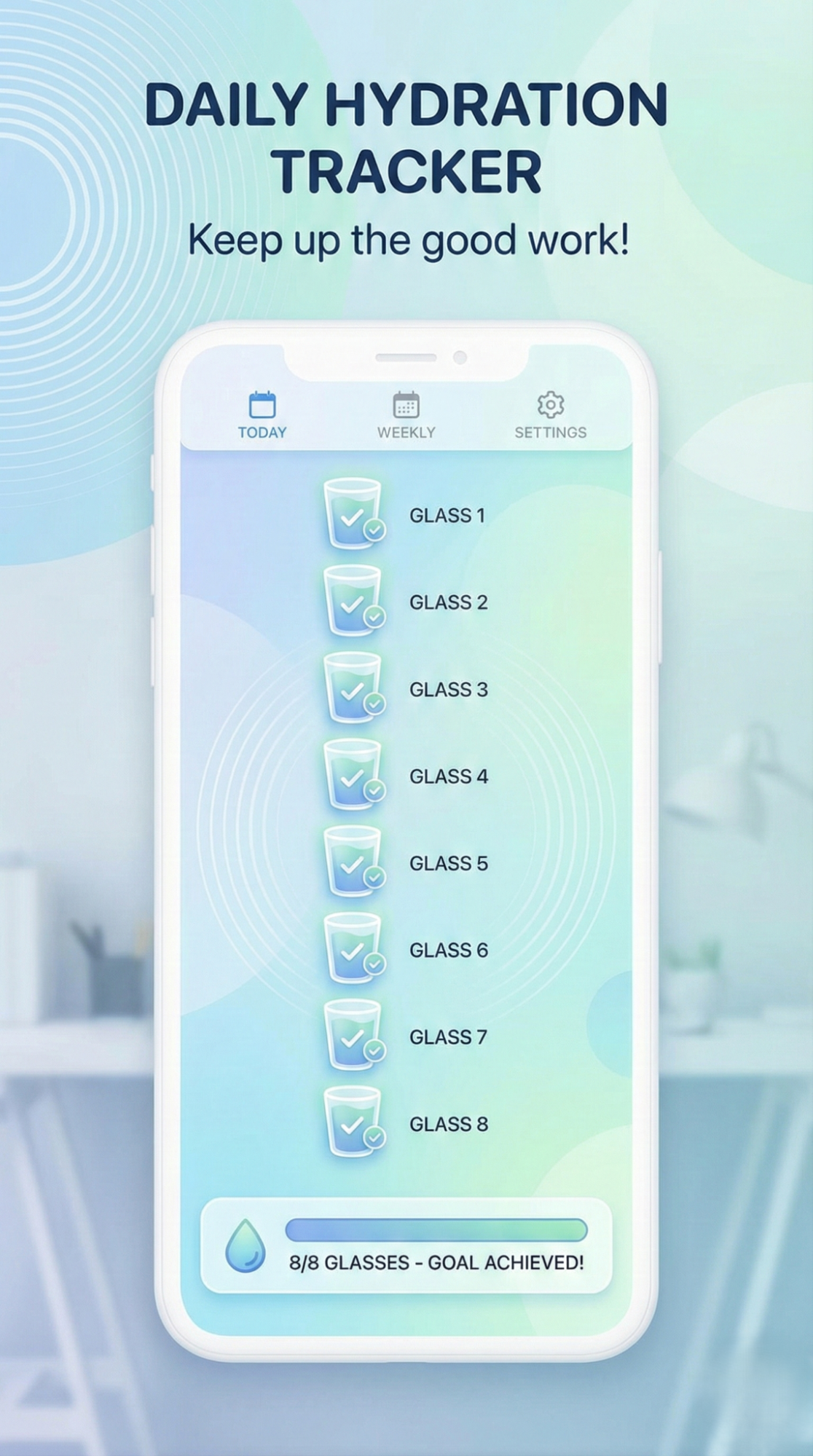
Staying hydrated requires consistency. Here are practical tips to help you meet your daily water needs:
For Adults:
- Carry a Bottle: Keep a reusable water bottle with you at work, in the car, or while running errands.
- Set Reminders: Use an app or a simple alarm on your phone to remind you to take a sip every hour.
- Flavor It: If you dislike plain water, add a slice of lemon, cucumber, or mint for natural flavor.
For Children and Seniors:
- Children: encourage kids to drink water before heading out to play.
- Seniors: Older adults often lose their sense of thirst. It is important to drink water on a schedule, rather than waiting to feel thirsty.
Foods that Hydrate:
Don't forget that you can "eat" your water too. Fruits and vegetables like watermelon, cucumber, oranges, and strawberries have high water content.
Choosing the Best Water for Health
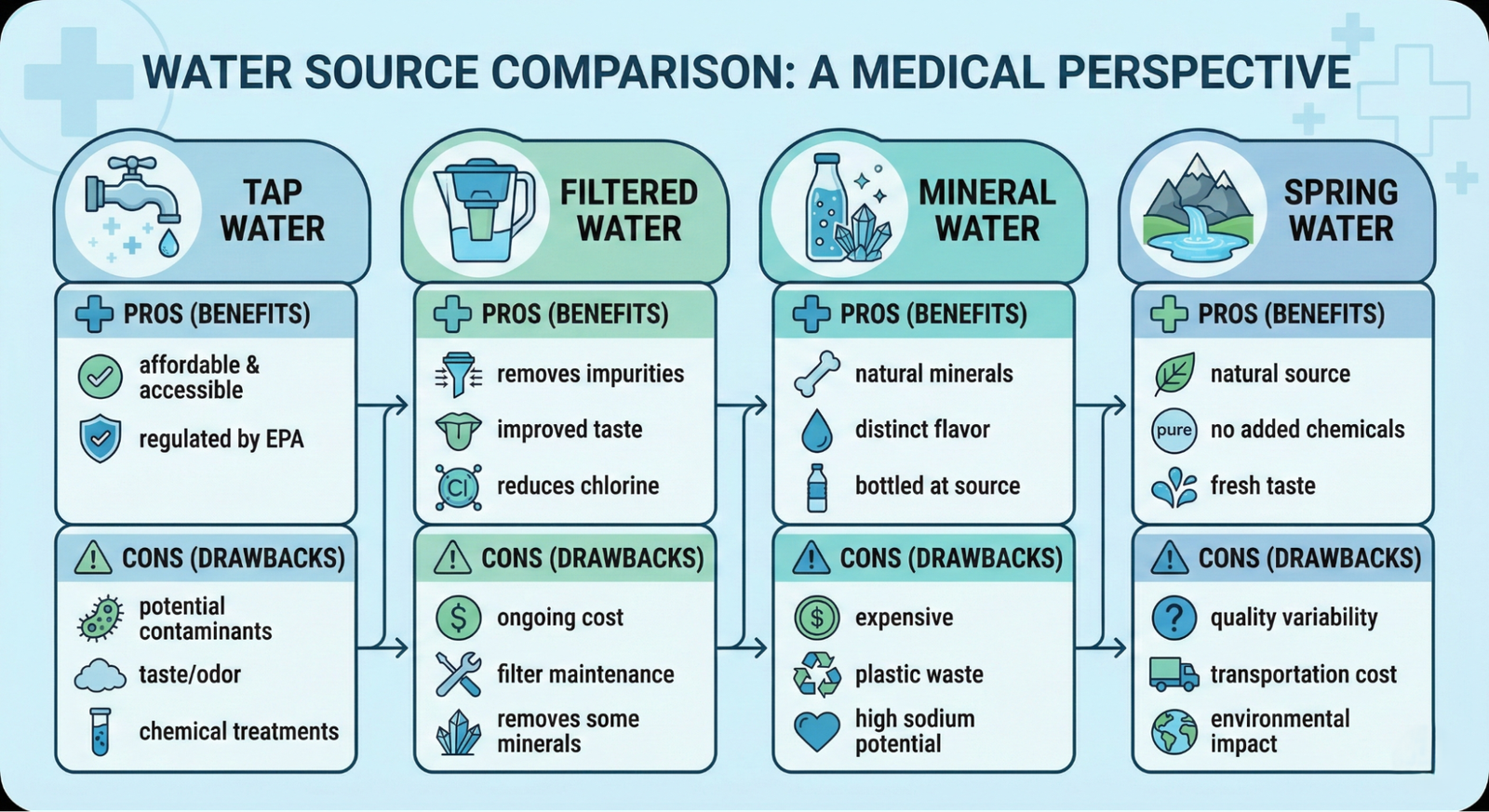
Not all water is created equal. With various options available on the market, understanding the differences is key to making safe choices. For a deep dive into this topic, you can read our guide on the best water to drink for health.
Tap Water vs Filtered Water
- Tap Water: In many areas, tap water is cost-effective and accessible. However, in regions where pipe infrastructure is old or contamination is a risk, safety is a major concern.
- Filtered Water: Using a home filtration system removes common contaminants like chlorine, lead, and bacteria while often retaining healthy minerals. This is generally the most sustainable and safe option for daily consumption.
Mineral, Spring, and Purified Water: Pros and Cons
- Mineral Water: Sourced from underground reservoirs, it is rich in minerals like calcium and magnesium. Pro: Great for electrolyte replenishment. Con: Can be expensive.
- Spring Water: Collected from natural springs. Pro: Natural taste. Con: Quality depends heavily on the source; check labels carefully.
- Purified Water: Water that has been treated (distilled or reverse osmosis) to remove all impurities. Pro: Extremely clean. Con: Often lacks beneficial minerals.
Safety Tip: Always ensure your water source is certified safe. If you are unsure about the quality of your tap water, boiling it or using a high-quality filter is a necessary precaution to prevent waterborne illnesses.
Conclusion
The 5 health benefits of water—ranging from enhanced physical performance and brain function to better digestion, skin health, and weight management—prove that hydration is a pillar of wellness. By making conscious choices about the water you drink and establishing a daily hydration routine, you are investing in your long-term health.
Remember, if you experience symptoms of severe dehydration or have underlying health conditions like kidney issues that require monitored fluid intake, professional advice is essential. You can easily book an online doctor consultation through eHealth to get personalized guidance from medical experts.
Stay hydrated, stay healthy!
@All images in this blog are sourced from Wallpezia